Digital Currency Pathways Connecting Secure Transactions to Layered Loyalty Tiers and Multi-Format Contest Events in Handheld Entertainment Systems
Written by Finley Schwarz · Sep 23, 2026
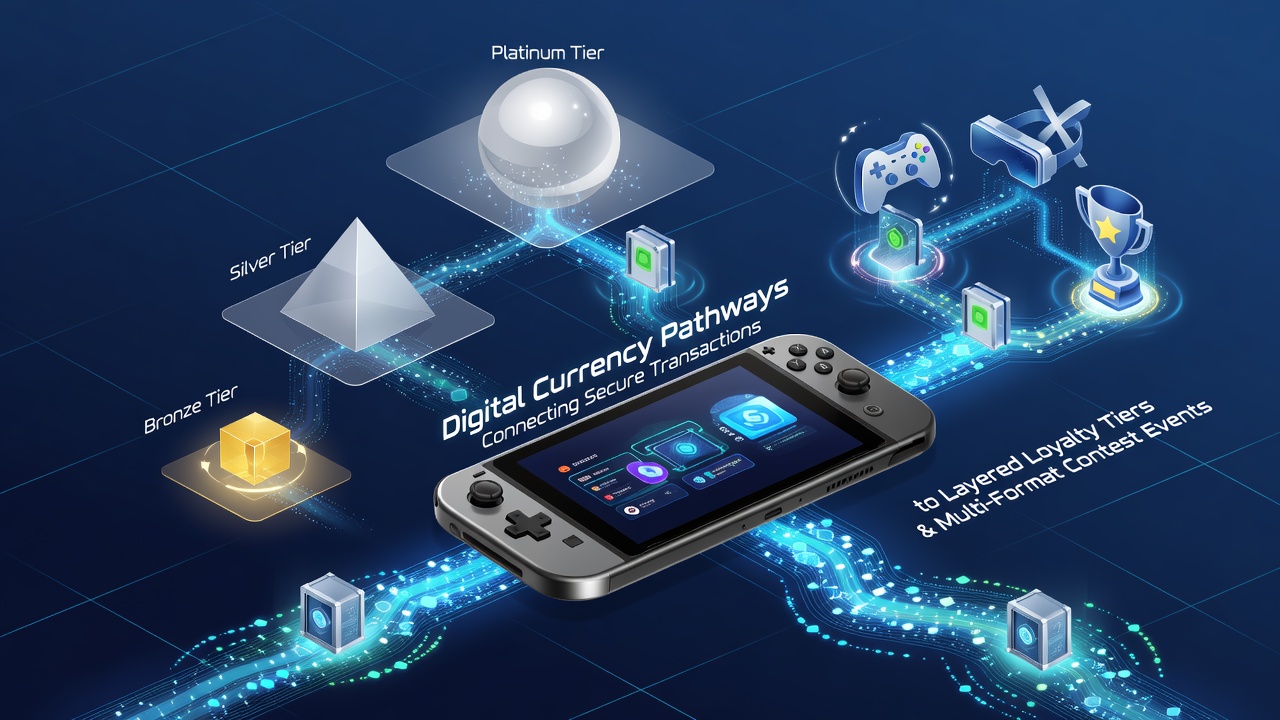
Digital Currency Pathways Connecting Secure Transactions to Layered Loyalty Tiers and Multi-Format Contest Events in Handheld Entertainment Systems
Handheld entertainment systems now route digital currencies through encrypted channels that link direct payments to tiered reward structures and varied contest formats, and developers continue to refine these connections as adoption grows in 2026. Mobile platforms process transactions via blockchain protocols or stablecoin networks, which reduces settlement times and allows real-time credit allocation across user accounts. Data from industry reports indicates that such pathways support seamless movement between purchases, loyalty accumulation, and entry into competitive events without separate verification steps.
Secure Transaction Pathways in Mobile Environments
Secure transaction systems in handheld devices employ multi-layer encryption and decentralized ledger verification to handle digital currency transfers, and these mechanisms connect directly to backend servers that track user activity. According to a Federal Reserve analysis of emerging payment technologies, digital currency volumes in consumer apps rose steadily through mid-2026, with entertainment platforms accounting for a measurable share of that activity. Platforms integrate wallet APIs that authorize transfers in seconds while maintaining compliance logs that regulatory bodies in multiple regions can audit.
Users initiate a transaction on a handheld device, the system validates the currency against current exchange rates, and the platform credits the corresponding value to an internal balance that feeds loyalty calculations. This flow eliminates manual reconciliation steps and supports simultaneous updates across loyalty databases and contest entry systems. Observers note that platforms adopting these pathways report fewer declined transactions compared with earlier card-based methods.
Layered Loyalty Tiers Built on Transaction Data
Loyalty programs in handheld entertainment systems organize user accounts into progressive tiers based on cumulative digital currency activity, and each tier unlocks additional contest formats or enhanced reward multipliers. Transaction records feed algorithms that calculate points in real time, advancing users through bronze, silver, gold, and platinum levels as spending thresholds are met. Research from academic studies on digital engagement shows that tiered structures increase session duration when rewards scale with activity levels.
Platforms map specific transaction types to tier benefits, so purchases of virtual items or event entries contribute differently than recurring subscriptions. Data indicates that users who reach higher tiers participate in more contest formats because the system automatically qualifies them for advanced brackets. Those who've studied these systems find that the layered approach creates clear progression paths without requiring separate enrollment actions.
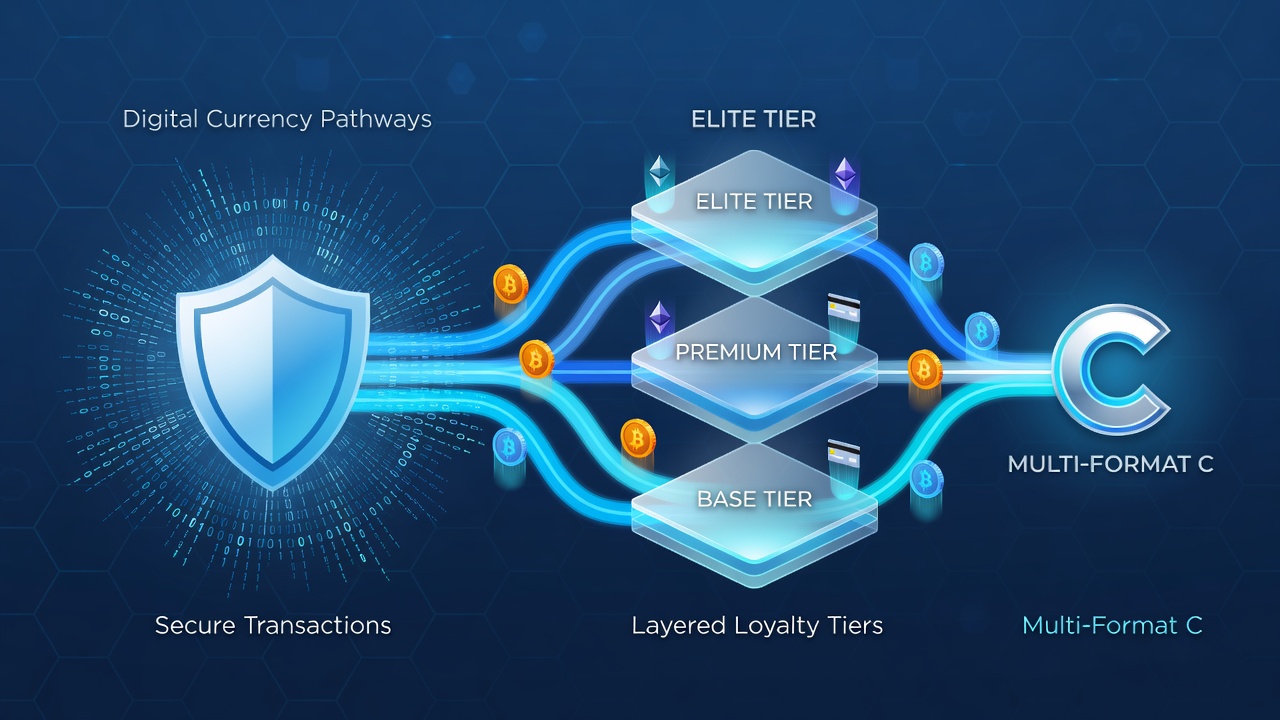
Multi-Format Contest Events Linked to Loyalty Status
Contest events on handheld platforms span daily challenges, weekly leaderboards, seasonal tournaments, and cross-app competitions, and digital currency pathways determine eligibility and prize distribution. Loyalty tier status filters users into appropriate event categories, while accumulated credits can purchase entry or boost performance metrics. Figures from trade group publications reveal that platforms offering multiple contest formats alongside tiered rewards see higher retention rates across age groups.
Developers synchronize contest calendars with transaction activity so that users receive automated invitations when their tier and balance align with event requirements. In September 2026, several major entertainment platforms expanded their contest libraries to include augmented reality formats that integrate with existing loyalty data streams. The connections allow prizes won in one format to convert into credits usable in another, maintaining continuity across the ecosystem.
Integration Patterns Across Platforms
Entertainment companies combine digital currency rails, loyalty engines, and contest modules into unified architectures that update across devices in real time, and this integration supports both single-player and multiplayer experiences. External sources such as a Monetary Authority of Singapore review of fintech applications in consumer services note that standardized APIs enable smaller developers to adopt similar structures without building custom infrastructure. Platforms that implement these patterns report consistent data flows between payment confirmation, tier advancement, and event registration.
Users move between formats without logging into separate systems because the underlying pathways maintain a single user profile. Case examples from industry reports illustrate how one transaction can simultaneously credit a loyalty tier and unlock entry into a multi-format contest bracket. Observers note that the technical links reduce friction and support sustained engagement across handheld sessions.
Conclusion
Digital currency pathways now form the operational backbone that joins secure transactions with loyalty tier progression and multi-format contest participation in handheld entertainment systems, and current implementations demonstrate measurable connectivity across these elements. Platforms continue to refine encryption standards, tier algorithms, and event synchronization as usage expands into late 2026. The resulting structures deliver coordinated experiences where each transaction influences both status and opportunity without additional user intervention.