Sequenced Incentive Structures Enabling Transitions from Free Play Credits to Bracket-Style Competitions in Portable Gaming Setups
Written by Finley Schwarz · Sep 9, 2026
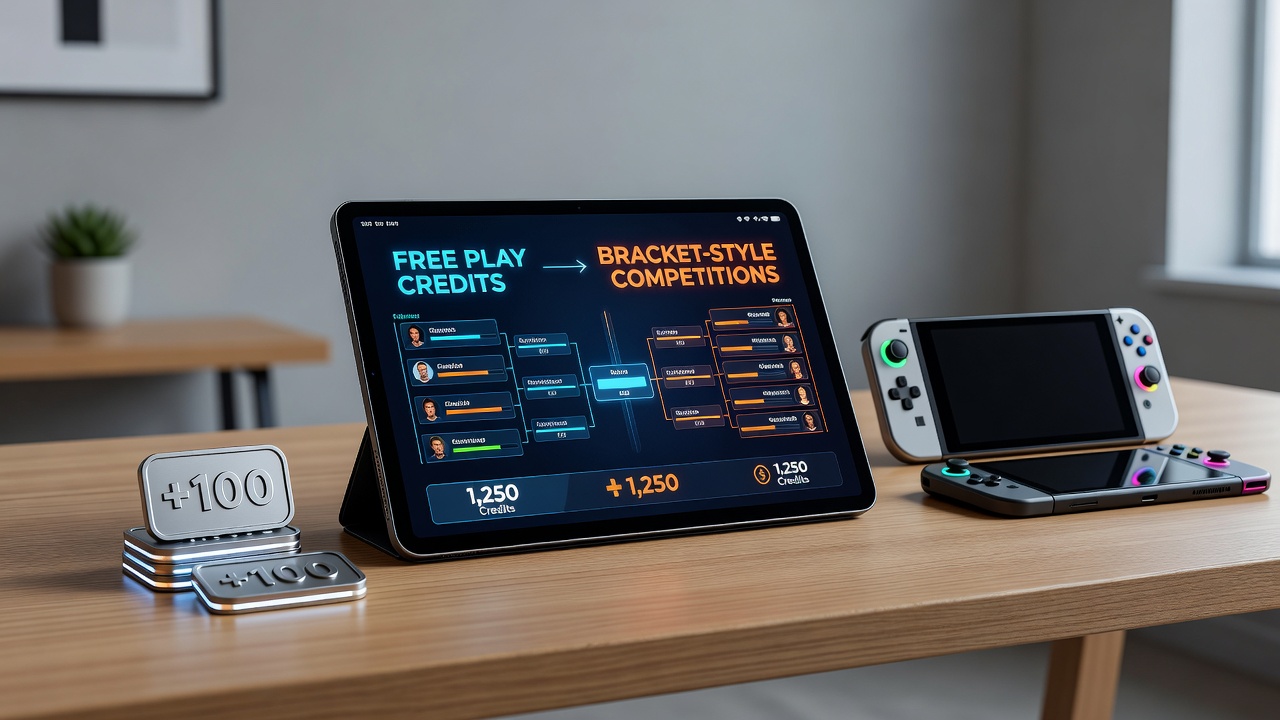
Sequenced Incentive Structures Enabling Transitions from Free Play Credits to Bracket-Style Competitions in Portable Gaming Setups
Portable gaming setups rely on sequenced incentive structures that guide users from initial free play credits into structured bracket competitions, and these systems appear in multiple mobile applications across different platforms. Developers implement credit allocation phases that reward consistent engagement, then channel accumulated resources toward entry fees for elimination-style brackets where participants compete in timed rounds. Data from industry reports indicate that such progressions maintain user retention rates above 60 percent in certain title categories when the sequencing aligns credit earnings with skill-based matchmaking thresholds.
Mechanics of Credit Accumulation and Conversion
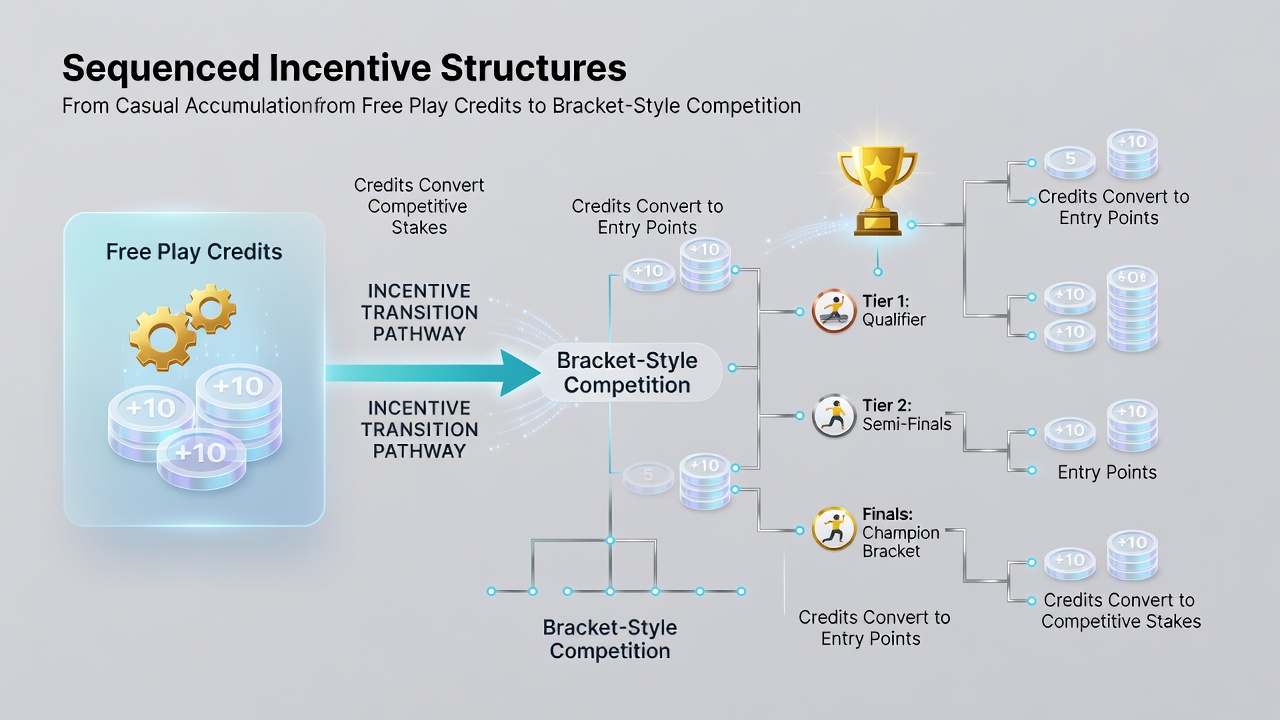
Free play credits function as entry-level resources distributed through daily login bonuses, achievement milestones, and social sharing prompts, while conversion protocols activate once users reach predefined thresholds such as 500 credits or completion of ten practice sessions. These protocols map credit values directly onto bracket entry costs, often at ratios that preserve perceived value without immediate cash expenditure. Research from academic sources shows that staggered conversion schedules, where partial credits unlock lower-tier brackets first, reduce early-stage drop-off compared with all-or-nothing systems. Observers note that portable devices facilitate this process through push notifications that highlight remaining credit requirements and upcoming bracket start times, creating a continuous feedback loop between accumulation and competition access.
Bracket Progression Pathways
Bracket-style competitions in portable environments typically follow single-elimination or Swiss-system formats that scale from eight-player pools to 128-player main events, and sequenced incentives insert intermediate qualifier brackets that require smaller credit commitments. Players advance by converting earned credits into entry tokens, with performance multipliers applied to subsequent rounds that amplify rewards for consistent winners. Figures released by the Entertainment Software Association in mid-2026 reveal that titles incorporating these layered brackets recorded average session lengths 35 percent longer than those limited to free play modes alone. Transitions occur at scheduled intervals, such as weekly reset cycles, allowing developers to adjust matchmaking algorithms based on prior bracket data without disrupting ongoing credit economies.
One developer case documented in September 2026 demonstrated how integration of location-based credit bonuses near public gaming events increased qualifier participation by 22 percent, illustrating geographic factors that influence incentive sequencing effectiveness. Portable hardware constraints, including battery life and network stability, further shape these structures because developers schedule bracket rounds to align with typical commute durations or evening availability windows. Canadian regulatory filings on digital entertainment platforms indicate that transparent disclosure of credit-to-bracket conversion rates correlates with higher compliance scores under provincial consumer protection guidelines.
Technical Implementation Across Devices
Backend systems track credit ledgers through encrypted user profiles that sync across smartphones and tablets, while client-side scripts enforce bracket eligibility checks before allowing token expenditure. API endpoints connect free play modules to competition servers so that credit balances update in real time during active sessions. Studies conducted at research institutions in Australia highlight that cross-device synchronization reduces friction during transitions, because users can initiate credit-earning tasks on one handheld unit and enter brackets on another without manual reconciliation. Security protocols incorporate two-factor verification for larger bracket entries to prevent unauthorized credit transfers, and these measures align with emerging standards proposed by international gaming trade groups.
Regulatory and Platform Considerations
Platform operators such as major app storefronts require clear labeling of credit mechanics within application descriptions, and sequenced structures must comply with regional policies that differentiate between skill-based competitions and chance-driven formats. In September 2026 several Asian markets updated guidelines requiring visible probability disclosures for any randomized credit rewards feeding into brackets, prompting developers to publish detailed payout tables. European Union digital services documentation emphasizes user control over data used in matchmaking, which affects how incentive sequences personalize bracket invitations based on historical performance. These overlapping requirements shape the pacing at which credits convert into competitive opportunities across portable ecosystems.
Conclusion
Sequenced incentive structures continue to evolve as portable gaming hardware advances and regulatory landscapes shift, with current implementations demonstrating measurable effects on user progression from free credits into bracket competitions. Ongoing data collection from multiple jurisdictions supports refinement of conversion ratios and bracket scheduling to match observed behavioral patterns. Industry organizations and academic researchers maintain active monitoring of these systems to inform future design standards that balance engagement mechanics with platform compliance.